
When it comes to home upkeep, your roof plays a big role in keeping things safe and dry year-round. But not all roofing materials last the same amount of time. Some need replacement sooner than others, while a few can hold up for decades with very little trouble. If you're planning a roof replacement or building a new home, the material you choose can make a big difference in the long run.
Picking the right roofing material isn’t just about style or budget. It affects how often you’ll need repairs, how well your roof stands up to storms, and how long it will last before you have to replace it. Deciding what best suits your situation means thinking about a few key factors, especially if you live in a place like Owensboro where cold winters and warm summers are the norm. Understanding why some roofing materials last longer can help you make smarter choices.
Factors Affecting Roofing Material Longevity
The roof you choose isn't just about picking a color or shape. Several things affect how long different materials can hold up, from weather to how they’re installed. In Owensboro, roofs have to deal with a good amount of wear and tear. Hot summers, heavy rains, and freezing winter conditions all take their toll over the years.
Here are a few things that directly impact how long a roofing material will last:
- Climate exposure: Materials react to temperature and moisture in different ways. For example, repeated freeze-thaw cycles during Owensboro winters can cause some materials, like asphalt, to age faster than others.
- Installation quality: Even the most durable material won’t last if it’s poorly installed. Loose shingles, improper sealing, or weak underlayment can cut a roof’s lifespan short.
- Roof pitch and design: Flat or low-sloped roofs tend to collect water and debris, speeding up wear and tear. Steeper pitches shed water and snow more efficiently.
- Material composition: Some materials are simply built to last longer. Natural stone, metal, or clay hold up better than composite blends or basic asphalt shingles.
- Maintenance: Regular inspections and minor repairs go a long way. Spotting a leak early or cleaning out debris can extend your roof’s life by years.
Let’s say two neighbors in Owensboro have nearly identical homes. One uses basic asphalt shingles and ignores their roof until something breaks. The other goes for metal roofing and checks their roof once or twice a year. Ten years down the line, the second homeowner is much less likely to need a full replacement.
Common Roofing Materials and Their Lifespans
A lot of homeowners pick roofing materials based mainly on cost. But understanding which ones hold up best over time can help avoid more expenses later. Here’s a breakdown of popular choices and how long you can expect them to last under normal conditions in a place like Owensboro.
1. Asphalt Shingles
This is the most common choice for residential roofing across the country. It's affordable and looks fine on most homes. But while it's budget-friendly upfront, it also wears out faster.
Typical lifespan: 15 to 30 years
Factors like heat, humidity, and heavy rain can speed aging.
2. Metal Roofing
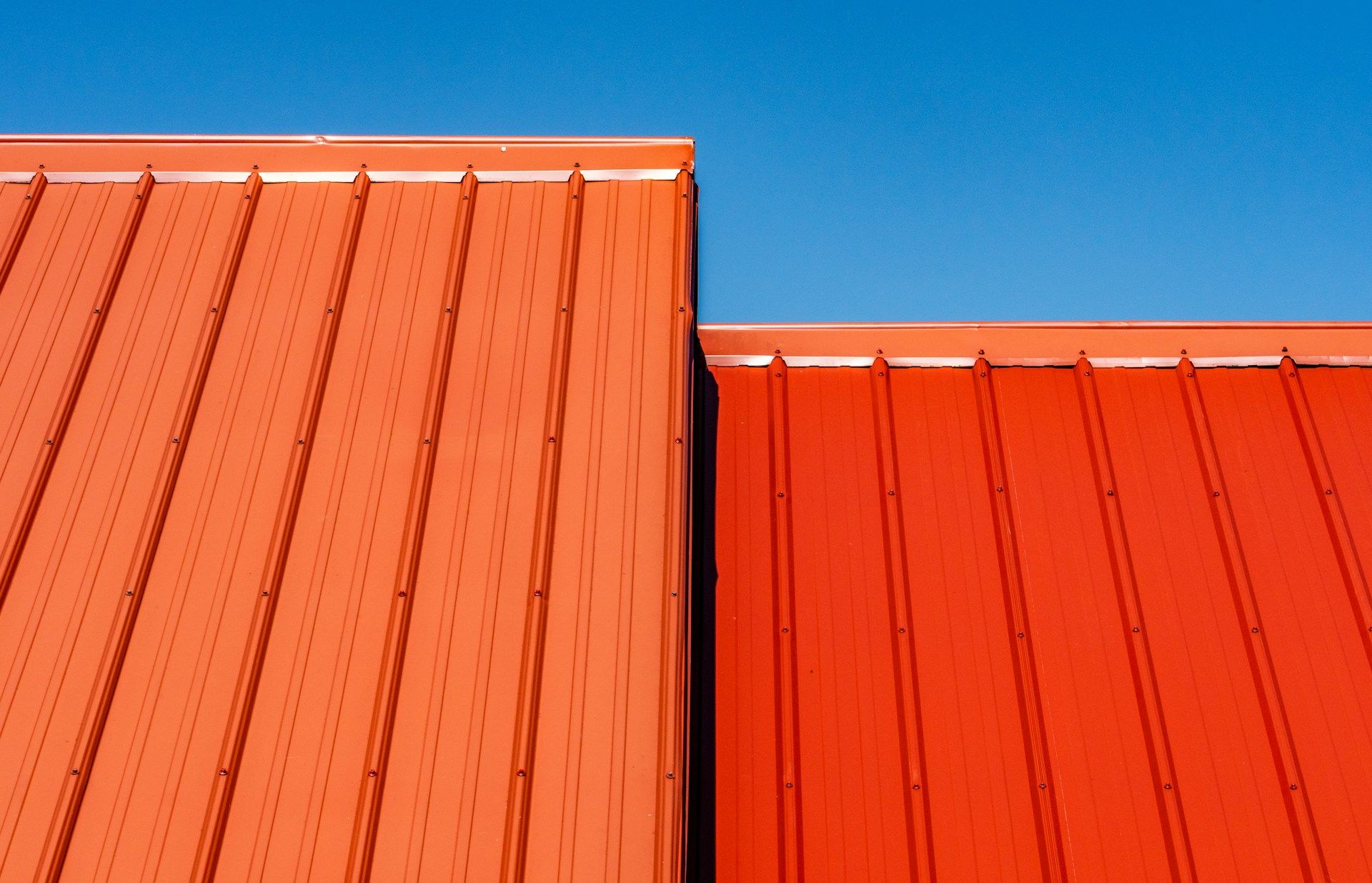
Known for surviving extreme weather. Metal roofs are lightweight but strong, and they’re not prone to mold or fire.
Typical lifespan: 40 to 70 years
They reflect heat well in summer and handle snow loads in winter without issue.
3. Slate Roofing
Slate is heavy, so it’s not suitable for every house. But when installed properly, it looks great and lasts for decades.
Typical lifespan: 75 to 100 years
It’s very resistant to temperature swings and doesn’t absorb much water.
4. Tile Roofing
Often seen in warmer climates, tile can be made from clay or concrete. It’s heavier than metal or asphalt but known for long-term performance.
Typical lifespan: 50 to 75 years
Tiles resist rot and insects and don’t catch fire, but they can crack from impacts or shifting foundation movement.
Each material has pluses and minuses. Choosing one means looking at how long you want it to last, how much maintenance you’re okay with, and whether your home is suitable for it structurally. Owensboro’s changing seasons mean it’s extra important to think about how materials deal with sun, ice, and everything in between.
Importance Of Professional Installation And Maintenance
Even the best roofing material won't hold up as long as it should if it's installed poorly or ignored over time. Getting a roof professionally installed, with the right techniques and materials underneath, gives it a strong head start. From flashing to fasteners, the small details make a big difference in how well the roof holds up, especially during Owensboro's winters and humid summers.
Hiring experienced professionals often means fewer errors during the installation process. A crooked shingle or missed nail might not seem like a big deal at first. But over time, water can sneak in through small gaps, snow can build up in low spots, and winds can loosen parts that weren’t properly secured. These small problems tend to snowball and cause much larger damage later.
Just as important as the install is what happens after it's done. Regular check-ins and minor repairs can stretch your roof’s lifespan by years. That includes:
- Clearing debris before it piles up
- Cleaning out clogged gutters before they cause backflow
- Fixing lifted shingles, popped nails, or warping
- Looking for weak spots after storms
Owensboro homeowners know how unpredictable the seasons can be. Heavy rain in spring, high heat in summer, and snow or ice in winter all test the strength of your roof. Making small fixes when you spot trouble is easier and cheaper than waiting until there’s water running down your walls.
Making The Right Choice For Your Home
Picking the best roofing material depends on your exact situation. There’s no one roof that works for everyone. Before deciding, think through what’s most important to you. Do you prefer something that you won’t have to think about for the next 50 years? Are you okay with occasional upkeep if it means saving up front?
Here are some things to think about:
- Current roof structure: Some materials, like slate and tile, are heavy and need a strong support system. Metal and asphalt are lighter.
- Budget: Asphalt has one of the lowest starting costs, while slate and metal are higher, but may make up for it with longer life.
- Maintenance habits: If you rarely check your roof, you may want a material that needs less attention.
- Local climate: In Owensboro, it matters how the materials deal with changing temperatures, frost, high winds, and storms.
A couple in Owensboro once went with a tile roof because they liked the look. What they didn’t consider was how the extra weight would affect their older home’s structure. A few years in, they had to upgrade their roof framing just to keep things safe. A conversation with pros about the best fit could’ve helped them avoid that headache.
How to Keep Your Owensboro Roof Going Strong
No matter the material, a long-lasting roof comes down to care, comfort level, and working with people who understand the local climate. A strong product helps, but how it's handled during installation and upkeep matters just as much. Residents in Owensboro can get decades out of a roof when they match the right product with smart decisions and good maintenance habits.
Your home deserves more than a guess when it comes to something as important as the roof. Whether you’re building new or replacing your current one, it's worth taking the time to understand which material stands up better, what suits your house, and how to keep it in shape for years to come.
Choosing the right roofing material is just the first step to making your home more durable and weather-ready. Regular upkeep and quality installation go a long way in keeping things solid overhead. If you're ready for dependable
Owensboro roofing services backed by local experience, the team at Bruce's Tristate Roofing is here to help. From recommending durable materials to handling inspections or installation, you can count on us to get it done right.