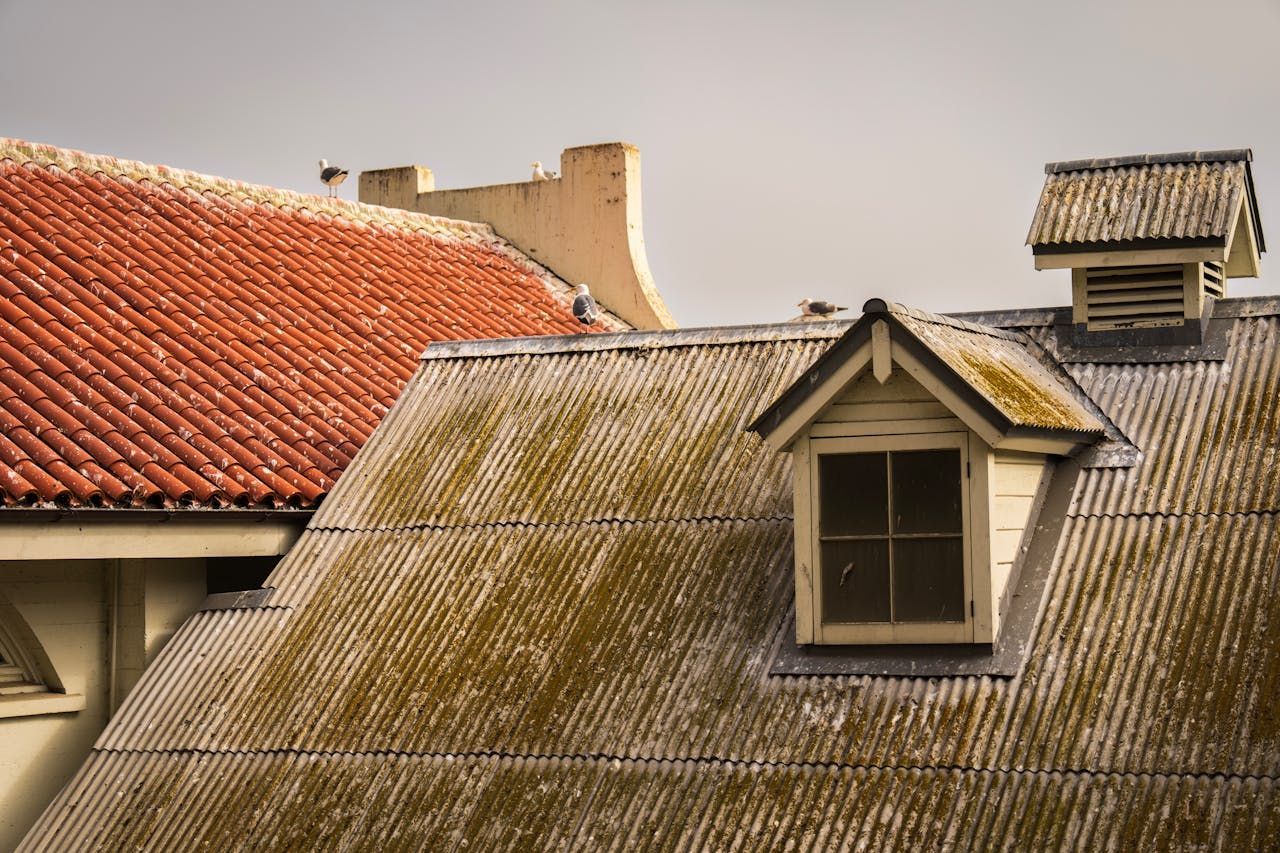


As winter rolls out across Kentucky, the shift toward early spring tends to bring roofing issues to the surface. That stretch between late January and mid-March might feel quiet weather-wise, but it’s often when hidden cold-weather damage starts showing up. Temperatures might warm a bit, snow begins to melt, and all of a sudden, older materials or ignored trouble spots begin to fail.
This is usually when homeowners start seeking help from a Kentucky roof contractor. Cold snaps and freeze-thaw cycles may leave behind problems that linger unnoticed until water starts running where it shouldn’t. Spring rains can push already weakened areas past their limit, which is why this moment, right before things fully thaw, is the right time to take a closer look.
Inspecting and Repairing Cold Weather Damage
Roofing materials go through a lot during winter. Kentucky sees a wide mix of weather, and it’s not always easy on shingles, seams, and flashing. By the end of January, blockages and hidden cracks from earlier storms can already be in play. Cold can cause sealant to shrink and pull away from key areas, while flashings may lift slightly due to shifting materials underneath.
Small issues can grow quickly as temperatures begin to bounce between freezing at night and warmer during the day. That repeating cycle makes brittle edges crack and old patchwork come loose, which lets water in where it’s not wanted.
We usually look for:
• Loose or curling shingles
• Cracked or missing caulk around roof penetrations
• Weak seams or flashing around chimneys or vents
• Early signs of blistering on flat surfaces
The goal is always to find possible weak points before the rain starts falling regularly in March. A careful check in late winter helps keep these minor issues from becoming full-blown spring leaks.
Clearing Roof Debris and Gutter Blockages
By the end of winter, gutters aren’t always in the best shape. Snow melts down and refreezes, sending runoff into places it’s not meant to be. Meanwhile, tree limbs and leftover debris often gather in low spots or behind chimneys, creating blockages that can slowly strain the system.
Water that can’t flow properly sits still. Then when more meltwater shows up, it pools and presses against the edges. That kind of buildup starts pushing under shingles or flashing and often leads to stained ceilings or mold within attic spaces.
A late-winter tune-up usually includes a full check of:
• Gutters and downspouts for blockages or loose joints
• Roof valleys where ice and leaves tend to gather
• Drainage paths around skylights or rooftop units
• Debris sitting behind dormers or stacked near vents
Cleaning things out ahead of spring gives meltwater and future rain a clear path off the roof. It also takes extra weight off the edges, where problems usually start creeping in.
Assessing Roof Ventilation and Moisture Buildup
Cold weather seems like it should dry things out, but inside an attic, it’s a different story. When warm indoor air rises and meets cooler attic air, it builds up condensation. If that warm air has nowhere to go, it lingers and soaks into insulation, wood, and sometimes the underside of your roof decking.
Over time, that trapped moisture warps materials and helps mold take hold. It also causes ice to refreeze on rooftops, which keeps the cycle going. A balanced ventilation system is a big part of roof health this time of year.
We usually check:
• Intake vents near the eaves to make sure they’re clear
• Ridge or box vents along the top to confirm warm air can escape
• Insulation placement so airflow doesn’t get blocked
• Signs of mold in corners or around roof decking
Poor ventilation isn’t something many homeowners notice right away. It’s only after wood swells or parts of the roof start to rot that it becomes a clear problem by spring. Checking this now helps prevent a lot of costly problems later.
Planning for Spring-Safe Roofing Materials or Upgrades
Winter might feel like a tough time for roof repairs, but it's actually a great window for prep work. The busiest roofing months in Kentucky usually fall in late spring and early summer. Planning updates now means you're not stuck waiting when schedules start to fill.
Some materials hold up better than others once the weather shifts. For low-slope areas, flexible membranes are often a better fit than traditional shingles. These stretch and move a bit, which helps deal with the ups and downs of Kentucky weather.
Here's what we often talk through with homeowners during a winter check:
• Whether parts of the roof would benefit from a spring replacement
• If surface coatings or reinforcements make sense ahead of storm season
• What materials fit the slope and layout of the house better
• When to schedule spring work to avoid last-minute scrambling
Making smart decisions now keeps things smoother when temperatures rise and rain becomes more regular. It lets you handle updates on your schedule rather than racing against leak damage.
The Value of a Winter Check Before Storm Season
We’ve seen what happens when small winter problems are ignored. As spring settles in, Owensboro starts to get heavier rainfall and steadier storms. A weak seam or blocked downspout can easily become a series of leaks or long-term moisture damage if it’s not caught early.
Early-year inspections give the house a fresh start before things get busy. They allow us to spot what winter left behind and help the roof stay strong through spring, summer, and beyond. Kentucky's weather tends to shift fast. Caught at the right time, a handful of smart fixes now can prevent a lot of stress when the rain begins to fall more steadily. By giving the roof a once-over while things are still calm, we help make sure it's ready for whatever comes next.
Has your roof taken a beating this winter, or are you noticing small leaks around your home? Now is the perfect time to stay proactive and avoid bigger problems with the coming spring storms. As a trusted
Kentucky roof contractor, we know how to spot weather damage early and provide reliable repairs while conditions are favorable. At Bruce's Tristate Roofing, we’re dedicated to helping homeowners in Owensboro prevent costly issues down the road. Call us today and let’s make sure your home is protected before the rain arrives.